What Color Stands Out Agains Grey
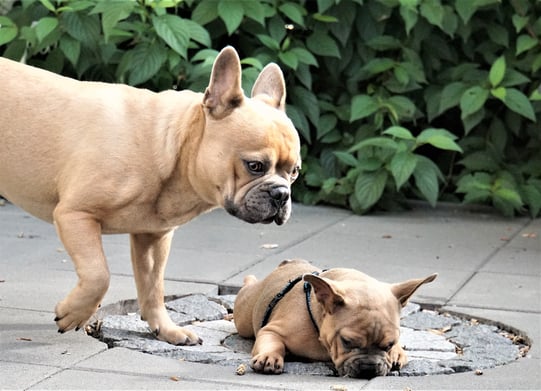
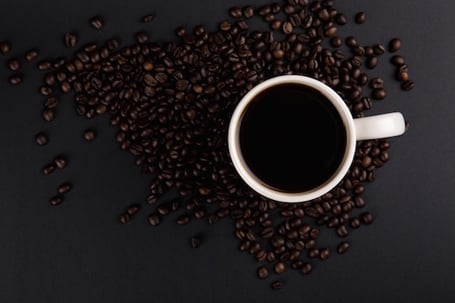
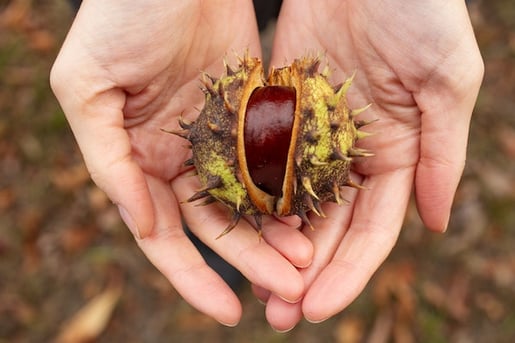
Dark-brown is one of the almost common colors found in nature. We run across shades of brown everywhere, from elements of the Earth to food to human hair and eyes. Brown isn't generally thought of as i of our favorite colors, just it's a complex colour that comes in endless varieties and creates natural warmth and beauty. We'll go over how and why we run across the colour brown, some examples of the unlike shades, and how nosotros employ brown in our lives. Color tin be catchy to empathise because it is non inherently part of an object but instead depends on the man center's ability to translate lite into what the brain perceives as color. Dark-brown in item can be confusing since information technology's a composite color, and our perception of it is dependent on other factors. So when you lot are thinking well-nigh what colors make brown, the answer is: it depends. The middle contains cone-shaped cells, which piece of work with the attached nerves to translate short (blue), medium (greenish), and long wavelengths (cerise) of calorie-free into what is then perceived color past the human brain. The eye also possesses rod shaped cells, which process black and white light wavelengths. Nearly everything nosotros see is non a pure colour on the light spectrum, which is why we see as many colors as we do, and even see shades of usually recognized colors. When you think about seeing those not-pure colors, it makes sense to say that we will see a combination of yellow and red wavelengths as orange. We see brownish when so many wavelengths are nowadays that our brain tin't interpret information technology equally 1 colour over another. The calorie-free also affects the saturation, or how bright or slow the color is, and the lightness, or how calorie-free or nighttime it is, depending on what other wavelengths are nowadays in smaller variations. This changes our perception so that nosotros may see a dissimilar "shade" of brown. You lot may have noticed that the easiest mode to make the color brown is by mixing a bunch of other colors together and it'southward true that by doing this you lot do eventually practice make brown. Therefore, in social club to make brown in painting, printing, and digital art, you need to combine colors. Yous tin can create brown from the primary colors cherry, yellowish, and blue. Since red and yellow make orange, you lot tin can besides make brown by mixing blue and orange. The RGB model used for creating color on screens similar the television or a computer uses red and greenish to brand brownish. The amount of each color combined can change the shade of brown, since this mimics the idea of saturation and lightness, and changes how nosotros perceive the color. You can also add together in more than colors or change the proportions to change the shade, which we volition go over later. What two colors make brownish? Information technology depends on which shade of brown y'all're aiming for! In this section, we'll go over how to mix various shades of brown, assuming you are using pigment. Keep in mind that people practice see colors differently, and brown in particular can be subjective. You lot may run into or describe the following shades of brown differently than some other person. In club to starting time create a simple medium brownish, you should combine red, yellow, and blue. You lot can likewise mix orangish and blue if y'all have orange bachelor. Each color should exist added in equal proportion. This should create a medium shade of brown. If you lot don't like how it looks, you can change up the proportions, but for the about simple, straightforward brownish, they should exist equal. I like this method since information technology works with main colors, and you won't find yourself adding and mixing forever and not knowing what you're going to get. This likewise makes it easier to modify the color, since you lot tin just add more than or less of what you lot already take in at that place. You don't have to but work with your primary colors, the fun part well-nigh brown is that everything you mix kind of somewhen turns to brown anyway, simply if you lot're mixing to get a shade and non just playing around, you want to go on track of what's in your mixture. Remember, you can also make a "basic" chocolate-brown with blackness and orange, or blue and orangish. Similar beige, tan is a very light shade of brown that requires dark-brown to exist mixed with a lighter color. Tan is closer to archetype brown than beige, and doesn't have the pink tint of beige. Make tan by adding more yellow to brown. You can also add a little flake of white, but you want to stay away from the very light nigh pink shade, and then don't add together any red if you practice add together white. Beige is a very light brown, so in lodge to make beige, you have to mix in white. Information technology's easiest in this case to add the brown to the white, not the other style effectually. This manner, you can add the brown slowly as you become instead of having to start over if you go too light. Beige also has a slight pinkish tint, then yous should add together in a dab of red as well. If yous recall your beige has gotten too night, y'all can e'er lighten it back up by adding more white, or some yellow. You can as well darken it by calculation more than chocolate-brown or bluish. French bulldogs are often beige Making this dark brownish ways adding colors that are darker than your primary colors. So, to get a darker brown from the commencement, y'all tin can include more red and blue than yellow. You tin can farther darken this color past adding purple and blackness. Mixing regal will make the mixture look less brilliant than if y'all are adding black, then you should include both for a smooth final colour. If yous do need to lighten it back up, you lot can add yellow or grey. Adding white will probably lighten it more than you lot desire, so avoid adding in white. This pretty shade of brown is lighter than traditional dark-brown, but doesn't take a strong color hue like raw sienna. Like raw sienna, you brand chestnut by adding in yellowish and cherry-red to brown. However, they should not be in an equal proportion, and you shouldn't substitute orange. Go slowly and add a little xanthous and then a niggling red at a time, until you lot accomplish the chestnut color. Chestnut should be a medium, reddish-brownish, and should be bright and bawdy in tone. The inside of a anecdote is a crimson-brown color Brownish is often idea of as dull or boring, and it consistently ranks low on surveys about people'southward favorite colors. Beige in particular gets a bad rap when it comes to decorating, but contempo trends invite calorie-free earth tones to even out colour schemes, especially in certain styles like land chichi, farmhouse chic, or rustic that rely on neutrals and cool colors. Dark-brown is used to show simplicity and things that are natural. Consider the feelings almost nostalgia and simplicity surrounding chocolate-brown paper bags. Wrapping something in brown paper or packing a paper purse dejeuner is peaceful. There's a reason y'all get a plastic bag at most grocery stores, but a brownish paper bag at places like Whole Foods. The brown paper signifies that information technology is natural and good for you. Other positive connotations of chocolate-brown are things similar receiving packages, gardening, nature and animals. Due to its close ties to the earth and naturally recurring colors, artists employ dark-brown to signify strength, stability, and warmth. Chocolate-brown can be used to evidence comfort and dependability. Artists and designers can use a variety of color techniques in their piece of work. Analogous colour schemes tend to work with colors on the same side of the colour wheel, so everything blends. Complementary colors are those on the opposite sides of the color wheel. Red and green, for example, are complementary, every bit are blue and orange. The purpose of using complementary colors is to brand each color stand out. Artists and designers can also work with warm colors (yellows, reds) absurd colors (blues, greens, purples) or neutrals (blackness, brown, white, greyness) to create an aesthetic. In theory, neutrals, like brown, should be able to pair with any color. Dark-brown has been used in art since prehistoric times. Early on humans used the Earth'southward ingredients to create dark-brown dyes and colors. They used walnuts, clay, and fe oxide amongst other ingredients. The apply of brown in paintings depended on the time and style of the period. The 17th and 18th centuries fabricated great use of the color brown to create dark backgrounds with brighter foregrounds or subjects, and the earthy tones were meant to signify humility and intellectualism. Using the colour brown likewise meant that artists could pigment natural depictions of scenes and settings. Dark-brown was less commonly used in the 20th century, every bit artists like the French impressionists turned to bright colors, and art stepped into commercial product and pop culture. Because it'southward considered a neutral, brown items are often fashion staples. Brownish shoes, belts, coats, and jackets are found in many western wardrobes, since they are like shooting fish in a barrel to pair with other neutrals or brighter colors. Like it or non, the color brown is everywhere. This means that when you're making a chocolate-brown colour of your own, you take a lot to consider. By carefully creating or choosing a shade of brown, yous can invoke certain emotions, or draw from past artistic influences. The beauty of brownish comes from how versatile information technology is, and the possibilities of shades. The ways in which we can use the color brown are seemingly endless. Perhaps, one day, it'll even be your new favorite colour. If you're looking for more inspiration about drawing and art, check out this guide on contour line art, and this heady listing of drawing ideas. Exercise you love taking your knowledge to the next level? Read up on The 9 Most Common Shapes and Perfect Squares.
What Colors Make Brown?
How to Make Brown
Basic Brownish
Tan
Beige
Espresso
Chestnut
Your Life in Brown
Brownish in Fashion and Art
What's Side by side?
Source: https://blog.prepscholar.com/what-colors-make-brown

إرسال تعليق for "What Color Stands Out Agains Grey"